Understanding the Function of an Arborist: Key Services for Tree Health and Management
An arborist is crucial for preserving tree health and longevity. These experts utilize specialized expertise to assess trees and formulate specific care strategies. This includes pruning, diagnosing diseases, and controlling soil health. Tree care professionals play a major role in fostering sustainable growth. Their skill set not only boosts the beauty of landscapes but also maintains ecological health. Understanding their main offerings can highlight the vital impact they have on developed and undeveloped environments alike.
The Necessity of Arborists in Tree Maintenance

While many property owners may fail to appreciate the function of arborists, their skill is essential for maintaining tree health and long life. Tree specialists are certified experts who specialize in the health and maintenance of trees. They possess in-depth understanding of tree life science, diseases, and environmental elements affecting growth. By evaluating tree health, arborists can determine potential problems, such as pest infestations to nutrient shortages.
Their services encompass a number of critical tasks, including soil care, tree assessments, and comprehensive maintenance plans. Tree care experts also play a major role in ensuring trees are placed in appropriate locations, considering factors such as sunlight, drainage, and space for growth. Their recommendations allows homeowners to make informed decisions that encourage sustainable tree development. By hiring arborist services, homeowners not only improve the aesthetics of their landscapes but also contribute to the ecological health of their surroundings, ensuring trees thrive for future generations.
Crucial Tree Pruning Techniques
Effective tree pruning practices are essential for maintaining healthy and vibrant trees. Tree specialists employ various approaches to enhance tree structure, promote growth, and eliminate dead or diseased limbs. One basic technique is crown thinning, which includes selectively removing branches to boost light access and air flow. Another important method is raising the crown, where the lowest boughs are removed to improve clearance and visibility. Additionally, the practice of reducing the crown decreases the overall mass of a tree’s canopy, reducing strain while preserving its form.
Proper scheduling is key; it is usually best to prune during the dormant period in late winter or early spring. This reduces the loss of sap and fosters vigorous growth. Arborists recommend using sanitized, keen equipment to create clean incisions, which helps prevent injury to the tree. Finally, these essential practices do more than just enhance beauty but also substantially aid the tree's general well-being and longevity.
Tree Planting and Transplanting
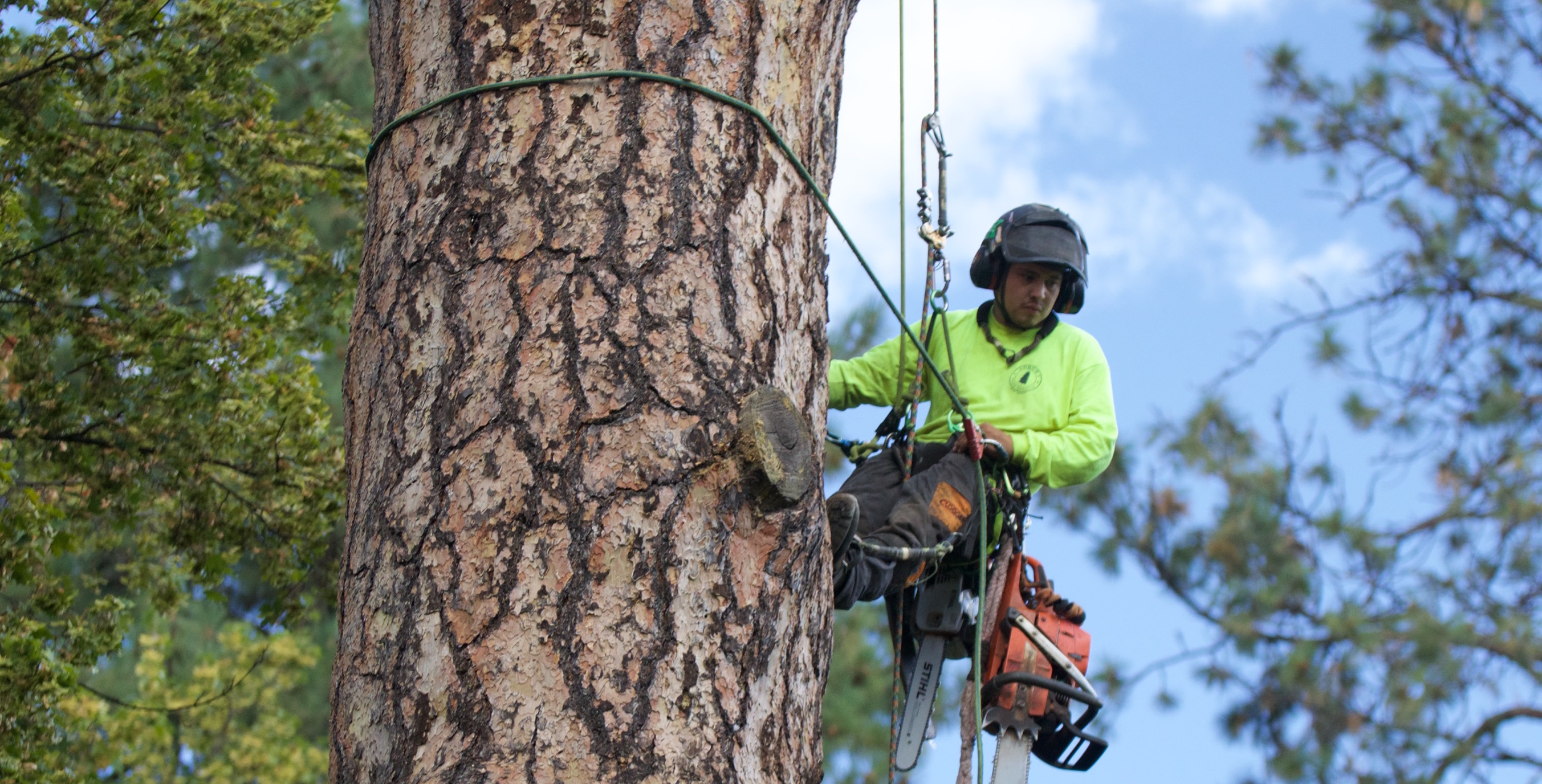
When considering the establishment of new trees, appropriate planting and relocation practices are crucial to secure their thriving development and assimilation into the environment. Arborists stress the necessity of choosing the correct type of tree for the site conditions, as well as preparing the planting hole correctly. The hole must be sufficiently broad to allow space for the roots, allowing for proper spreading and aeration
During transplantation, precautions must be observed to minimize root disturbance, which might obstruct the tree's chance to establish itself in the new location. Arborists suggest relocating trees during the period of dormancy to reduce stress on the tree
(Florence Arborist)After planting or relocation, sufficient water and ground cover are essential to support the tree's successful rooting. Arborists also recommend tracking the tree’s growth and adjusting care practices as needed to secure a smooth integration into the surrounding environment, which helps create a healthy setting
Identifying Tree Illnesses and Infestations
How can one effectively identify the indicators of tree maladies and infestations? Arborists employ a deep knowledge of tree biology and environmental factors to identify these problems. Symptoms such as leaves changing color, lack of vigor, or premature leaf drop frequently signal hidden issues. In addition, the occurrence of strange protuberances, such as galls or cankers, may indicate disease or infestations.
Arborists also inspect the trunk covering for wounds, holes, or sawdust-like material, which may suggest insect activity. Analyzing the soil and the surrounding area assists in pinpointing stressors such as bad drainage or nutrient shortages. Understanding seasonal cycles is crucial, since specific pests appear at particular times.
Arboricultural Health Evaluations and Care Programs

What strategies can be employed to keep trees ideally healthy? Arborists often begin with comprehensive tree health evaluations, which involve a detailed examination of the tree's overall state, covering its physical structure, leaves, and the root zone. This review assists in finding potential issues such as learn the facts diseases, pests, or environmental stressors. Subsequent to the assessment, a customized care plan is formulated, meeting particular requirements
Common components of these plans cover correct watering routines, nutrient application methods, and cutting methods to enhance growth and resilience - Florence Arborist. Furthermore, tree specialists might suggest mulching and soil management to increase nutrient access and keep the soil damp. Consistent observation is crucial, allowing for adjustments to the maintenance plan if the environment evolves. Through the execution of these methods, tree health and survival can be substantially bettered, ensuring they thrive in their environment while contributing to the broader ecosystem
The Role of Arborists in Urban Forestry
Arborists play an essential role in managing city trees by overseeing and preserving the health of trees in urban settings. Their expertise contributes greatly to the ecological stability and visual appeal of urban areas. Tree specialists participate in planting trees, ensuring appropriate species selection according to local environmental factors and municipal planning necessities. They conduct regular health assessments to pinpoint illnesses, insects, and structural problems, carrying out focused interventions to boost the well-being of the trees.
Furthermore, tree specialists create and implement care strategies covering cutting, nutrient application, and irrigation, maximizing tree development and lifespan. They also educate community members regarding the value of trees and correct maintenance techniques. Through cooperation with urban developers and environmental organizations, tree specialists aid in lasting city growth, promoting biodiversity and enhancing the quality of the air. Their efforts are vital in creating green spaces that benefit both residents and the ecosystem, ultimately fostering healthier urban ecosystems.
Frequently Asked Questions
Where Can I Locate a Certified Arborist Locally?
To find a qualified tree specialist nearby, one can search online directories, consult local gardening centers, or reach out to tree care groups. It's crucial to confirm credentials and check feedback to ensure high-quality work.
What Credentials Should I Seek in an Arborist?
If you are hiring an arborist, one should look for certifications such as ISA or ASCA, appropriate background, liability protection, and a strong track record based on feedback. This expertise confirm professionalism and skill in arboriculture and health.
Is There a Best Time for Tree Pruning?
The best time for tree trimming is during late winter or the beginning of spring when trees are resting. Yet, some species are better suited for summer pruning. Timing depends on the tree type and individual growing habits to encourage well-being and form.
What is the Price Range for Arborist Work Typically Cost?
The average price for arborist work is between $300 and $1,500, influenced by things like tree size, location, and the difficulty of the job - Florence Arborist. Costs can fluctuate significantly based on regional demand and service provider skill level
Can I Perform Tree Care Without Professional Help?
Yes, individuals can perform basic tree care without professional help, like watering and mulching. However, for advanced procedures, including cutting or identifying illnesses, consulting a certified arborist is recommended to maintain healthy trees.